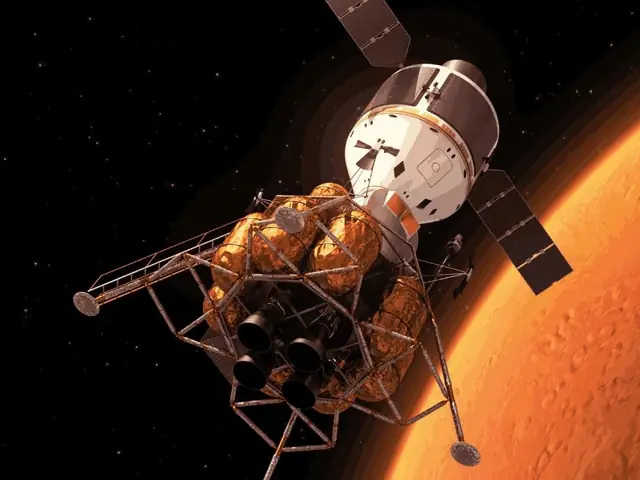
Mars–Ceres exploration · Research
Human Interplanetary Mission Architecture
Crewed round-trip mission concepts for Mars and Ceres, including transport, trajectories and communications.
Actual research projects, technical developments, prototypes, patents and research proposals, each with accurate attribution.
Selected aerospace and interplanetary research projects, with descriptions and source venues.
Crewed round-trip mission concepts for Mars and Ceres, including transport, trajectories and communications.
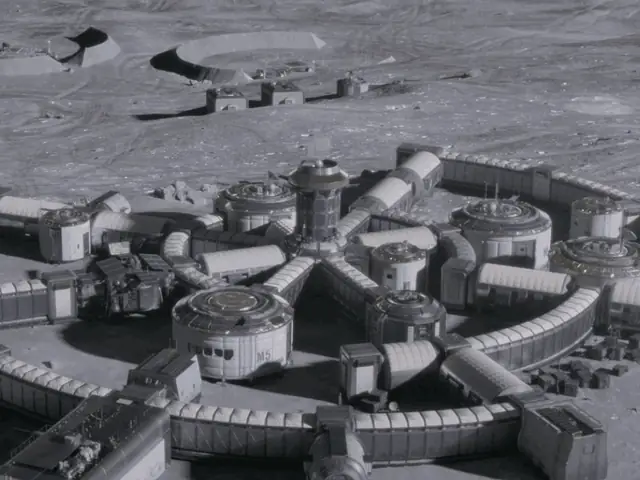
A solar-heated balloon concept for Mars descent and ascent, with rocket-assisted sample transfer to orbit.
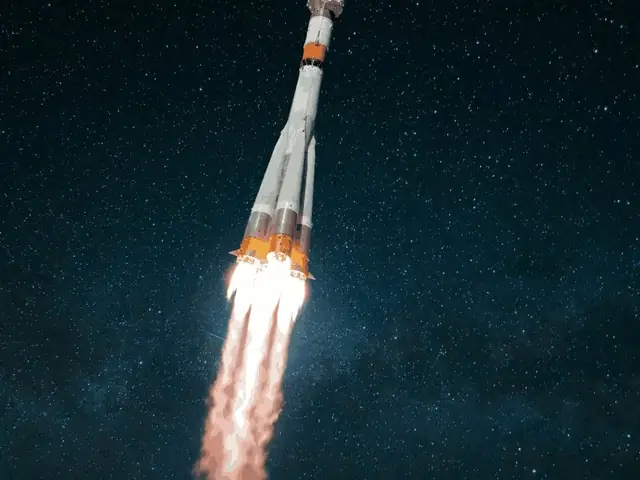
A theoretical spacecraft propulsion system using nuclear heat to turn water into steam.
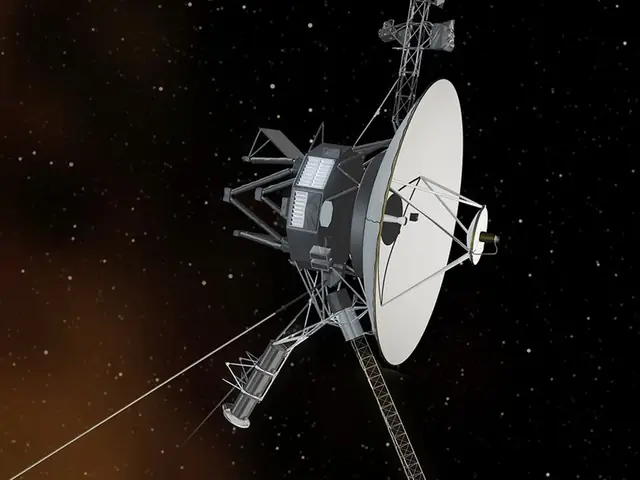
Statistical analysis of 131 interplanetary spacecraft to model lifespan and operational reliability.
A sample-return concept using lunar or ISS screening and containment before Earth transfer.
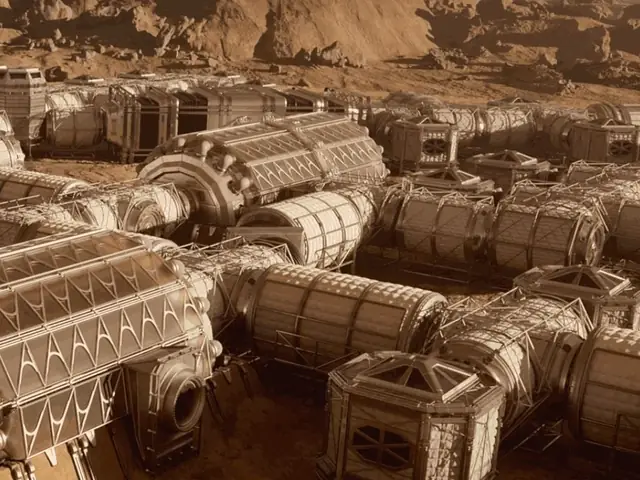
Underground habitats designed to protect crews and support long-term human presence on Mars.
Images are illustrative. Browse publications under Research Output.
A patent appears here only with a verifiable application or grant number. Inventors who want help turning a concept into intellectual property can use the Patent & Research Proposal Development division. Inventorship reflects genuine intellectual contribution only.
Technology areas Acceleron’s research addresses. Individual technology developments and prototypes are listed here with their status once verified.
Research proposals are published here once they are ready to be shared with partners and funders. Institutions can propose a specific research theme through the collaboration pathways.
Conference papers and journal articles from Acceleron’s researchers. Search by keyword or filter by year and type.
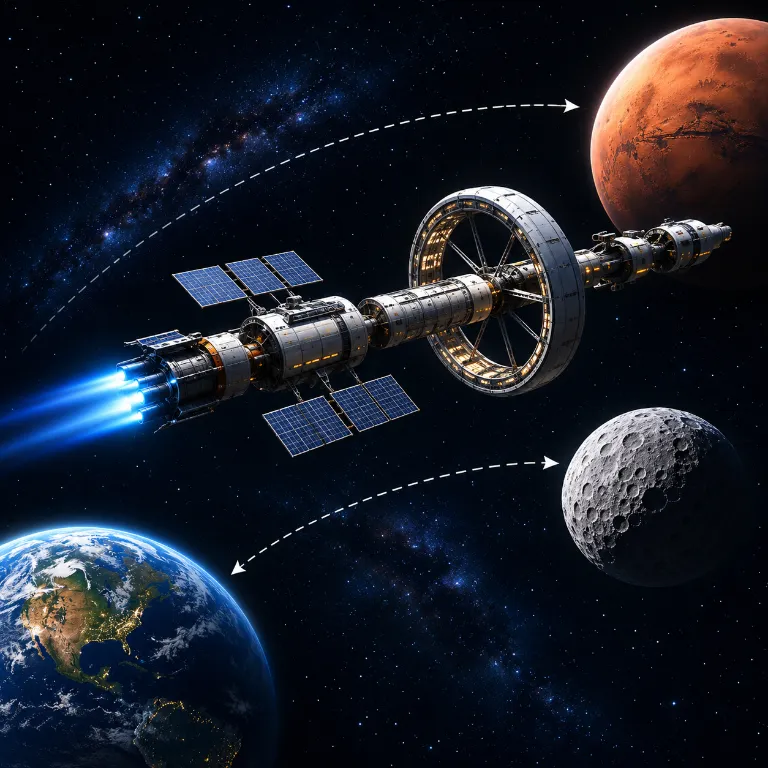
Presents a crewed round-trip Mars–Ceres mission architecture, focusing on trajectory paths, transit planning and communication-system requirements.
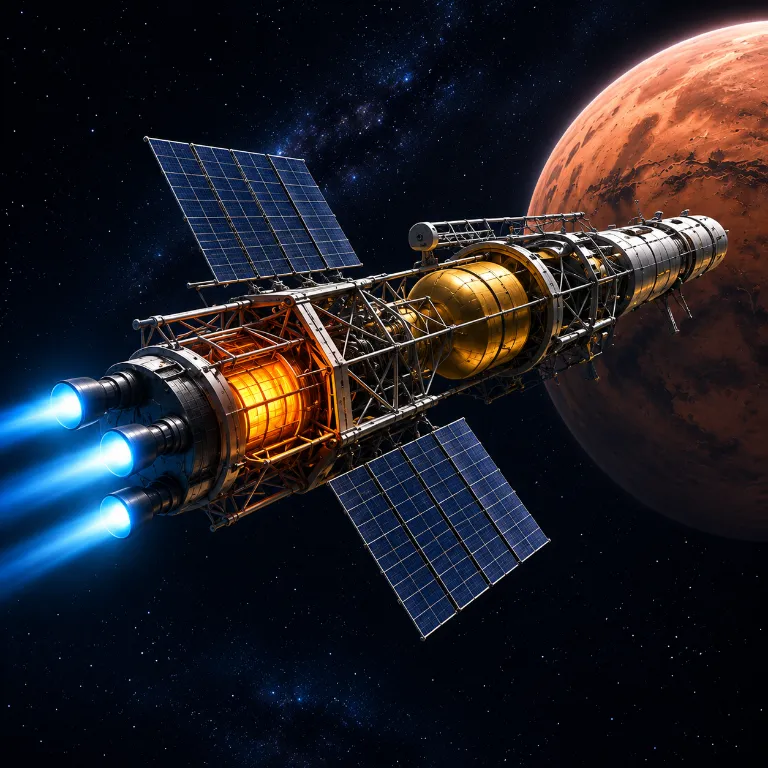
Explores a conceptual interplanetary vehicle that uses nuclear heat to generate steam for propulsion, including its design and potential use of off-Earth water resources.
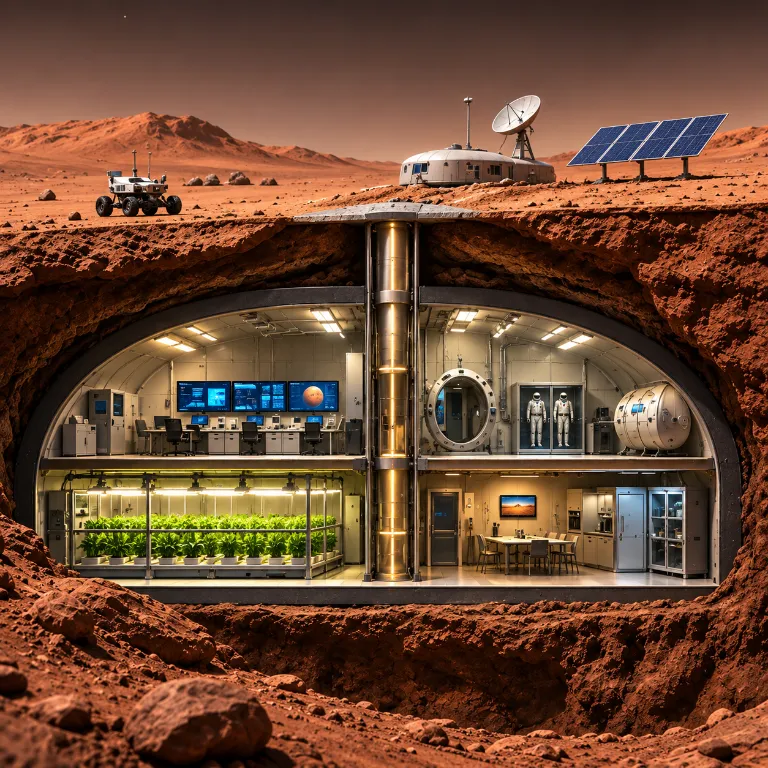
Describes an underground Mars habitat concept designed to protect residents from surface hazards and support sustained human settlement.
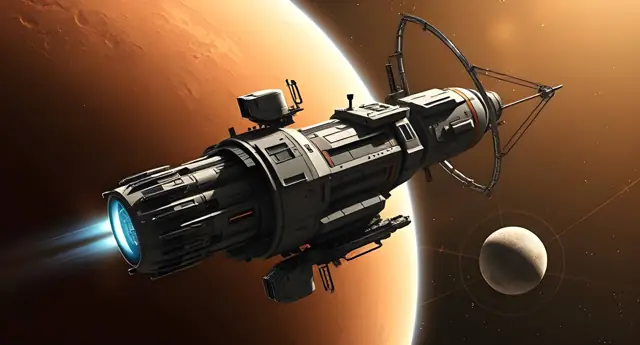
This paper presents an innovative mission concept for exploring both Mars and Ceres in a single expedition. The study provides detailed trajectory analyses and proposes Mars as a staging point...
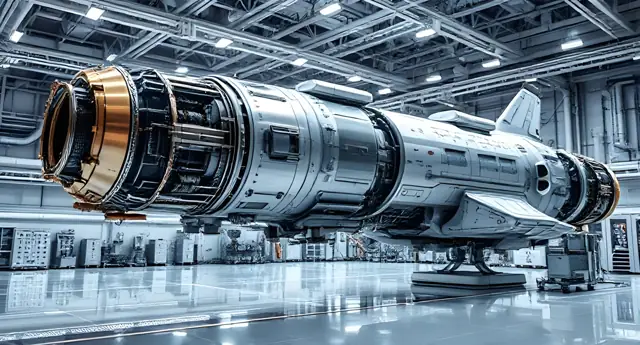
This paper introduces and analyzes three distinct spacecraft mass fraction parameters and their influence on spacecraft lifespan and reliability. Findings reveal that mass fractions significantly affect satellite reliability...
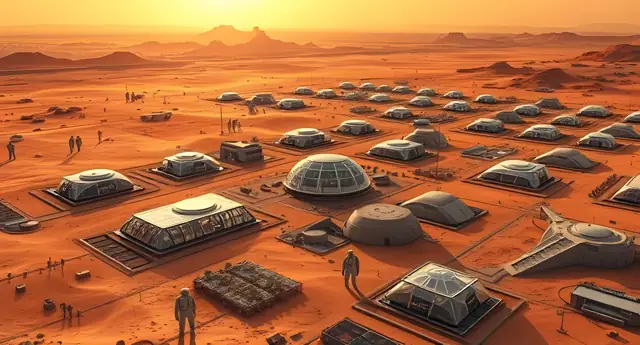
This study presents a design for a Martian habitat integrated half above and half below the surface for optimized radiation protection and internal volume. It includes architecture, materials, and life systems...
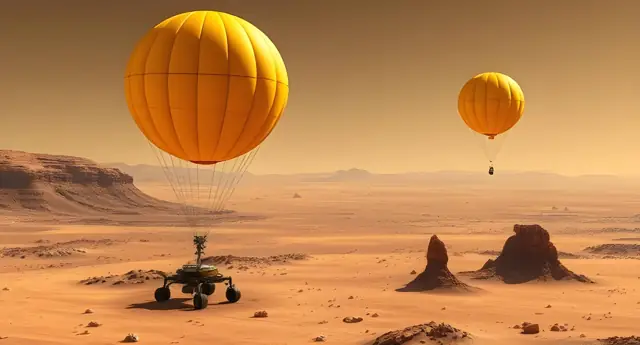
The proposed architecture utilizes a solar Montgolfier balloon for descent and ascent, offering a simpler and cheaper solution for Mars sample return. It details mission phases from landing to orbit insertion...
This study evaluates how total mass, propellant, and payload fractions affect spacecraft reliability. It proposes formulas for modeling reliability and lifespan, especially for miniaturized satellites under environmental stressors...
This paper compares launch systems for human missions to Moon and Mars. It assesses their capability, efficiency, readiness levels, and suitability for interplanetary cargo and crew transfers...
Try a different keyword or clear the filters.
Tell us the research question and how you would like to contribute.