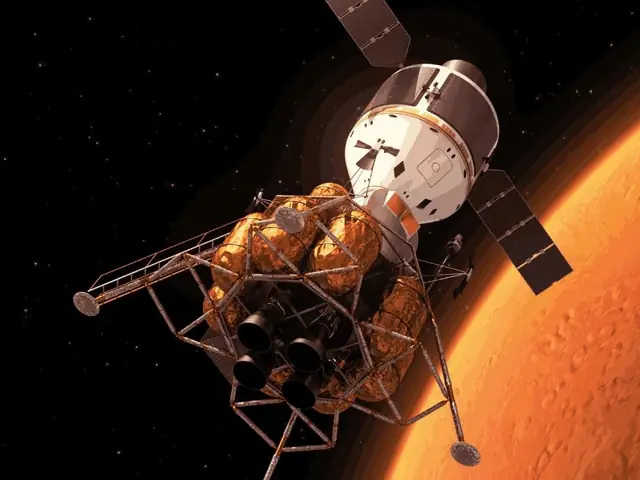
Mars–Ceres exploration · Research
Human Interplanetary Mission Architecture
Crewed round-trip mission concepts for Mars and Ceres, including transport, trajectories and communications.
Independent research, technological innovation and international collaboration shaping the future of aerospace and interplanetary exploration.
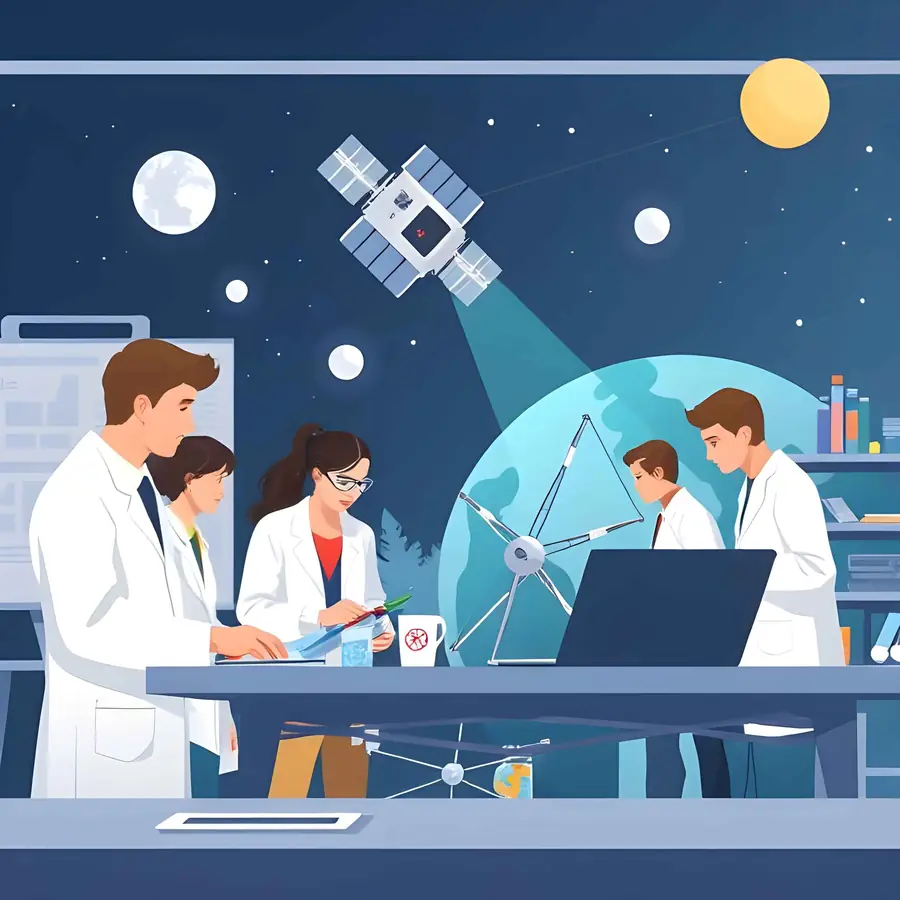
We believe the future of aerospace lies not only in advancing technologies within Low Earth Orbit, but also in expanding humanity’s capabilities towards the Moon, Mars and beyond. Through scientific research, technology innovation, international collaboration and the development of emerging researchers, we work towards advancing the next generation of aerospace exploration.
Acceleron conducts research, develops technologies, builds intellectual property and collaborates internationally, and then develops the researchers who will carry that work forward.
Six strategic divisions driving scientific discovery, technological innovation, global research collaboration, and the advancement of planetary and interplanetary exploration.
Pioneering advanced aerospace technologies, planetary exploration systems, and next-generation solutions for sustainable deep-space missions.
Learn more 02Principal capabilityBuilding strategic research partnerships with universities, institutions, industries, and independent researchers to advance aerospace innovation.
Learn more 03Principal capabilityEmpowering emerging researchers through scientific mentorship, manuscript development guidance, publication support, and research advancement.
Learn more 04International InitiativeConnecting international researchers and institutions to advance collaborative scientific investigations in planetary and interplanetary exploration.
Learn more 05TALENT DEVELOPMENT PROGRAMMEProviding structured research internship and fellowship opportunities through paid, unpaid, and certificate-based programmes for eligible candidates, fostering practical experience, scientific development, and professional growth in aerospace and space sciences.
Learn more 06SCIENCE COMMUNICATIONSharing scientific discoveries, research insights, technical knowledge, and lessons learned through educational content, publications, webinars, and community engagement to make aerospace and space science knowledge accessible to everyone.
Learn moreResearch projects, technical developments, prototypes, patents and research proposals, presented with accurate attribution.
Crewed round-trip mission concepts for Mars and Ceres, including transport, trajectories and communications.
A solar-heated balloon concept for Mars descent and ascent, with rocket-assisted sample transfer to orbit.
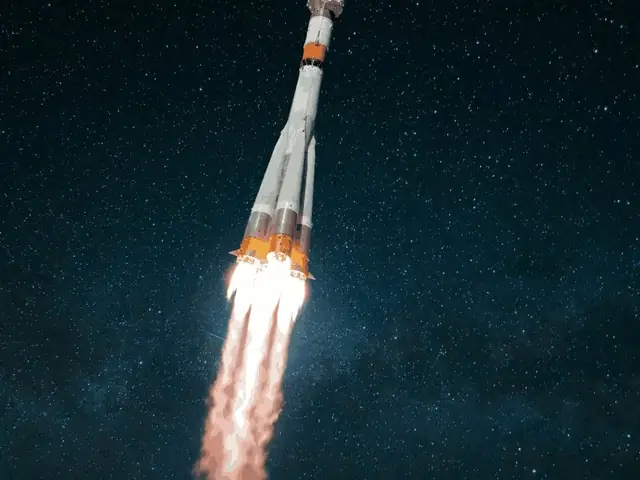
A theoretical spacecraft propulsion system using nuclear heat to turn water into steam.
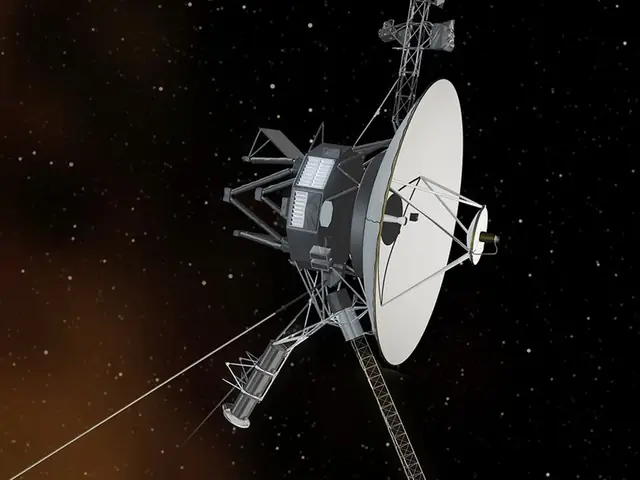
Statistical analysis of 131 interplanetary spacecraft to model lifespan and operational reliability.
A sample-return concept using lunar or ISS screening and containment before Earth transfer.
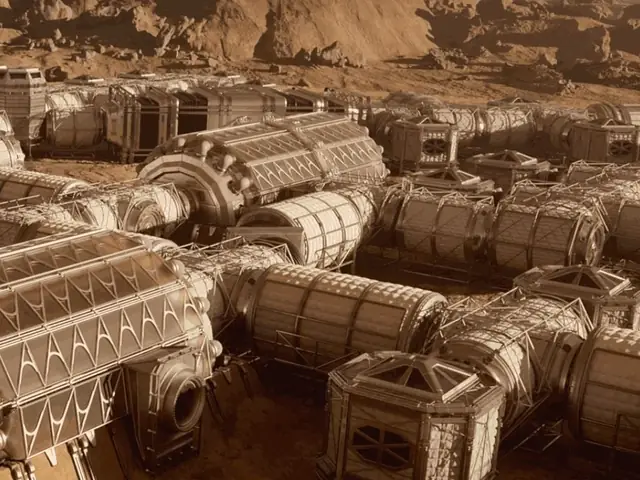
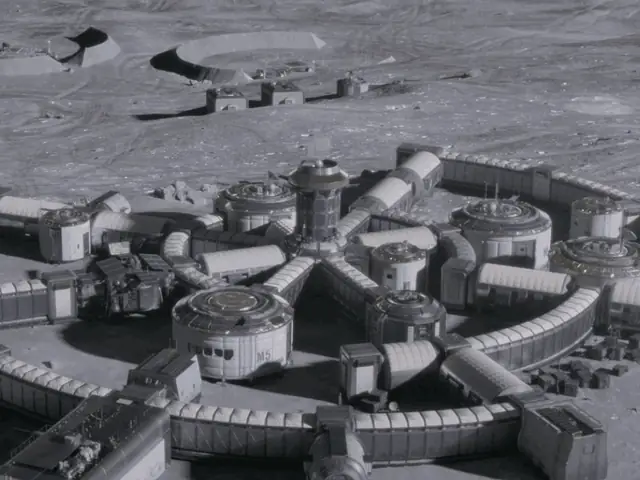
Underground habitats designed to protect crews and support long-term human presence on Mars.
Patents, prototypes and research proposals are listed as they are verified. See the full portfolio on the Research & Innovation page.
Students, researchers, universities and aerospace professionals are invited to take part.
Paid, unpaid and certificate-based research internships, and merit-based research fellowships: structured ways to take part in Acceleron’s research. Each programme has its own application pathway.
| Programme | Description | Pathway |
|---|---|---|
| Paid Research Internship | Selected candidates receive a stipend for their assigned research responsibilities. | Apply |
| Unpaid Research Internship | Research-based learning and practical experience without a stipend. | Apply |
| Certificate-Based Internship | Structured, project-oriented internship with completion certification subject to satisfactory performance. | Apply |
| Research Fellowship | Merit-based opportunities for promising researchers to undertake guided scientific projects. | Apply |
Papers, technical reports, proposals and patents produced by Acceleron’s researchers.
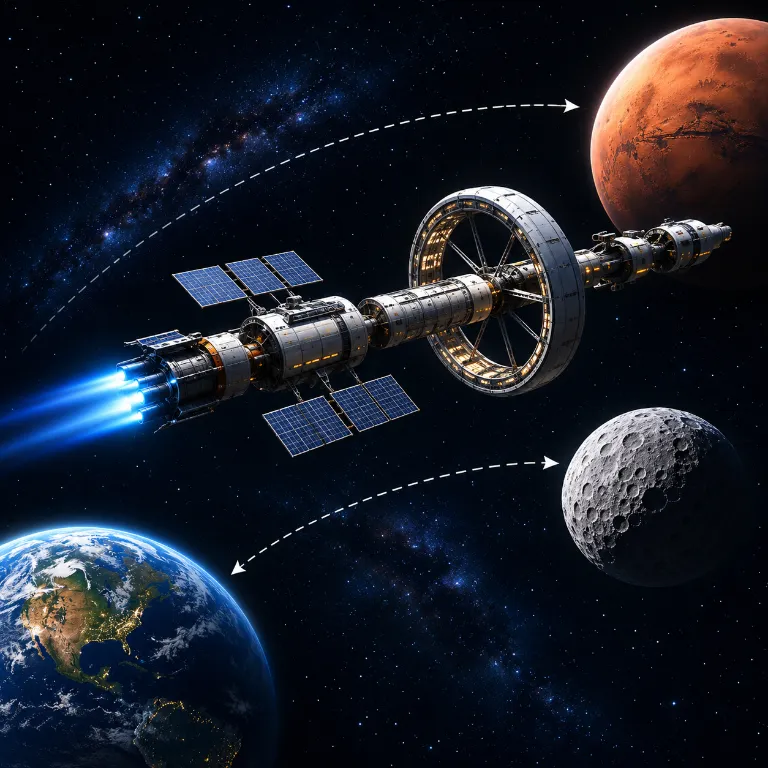
Presents a crewed round-trip Mars–Ceres mission architecture, focusing on trajectory paths, transit planning and communication-system requirements.
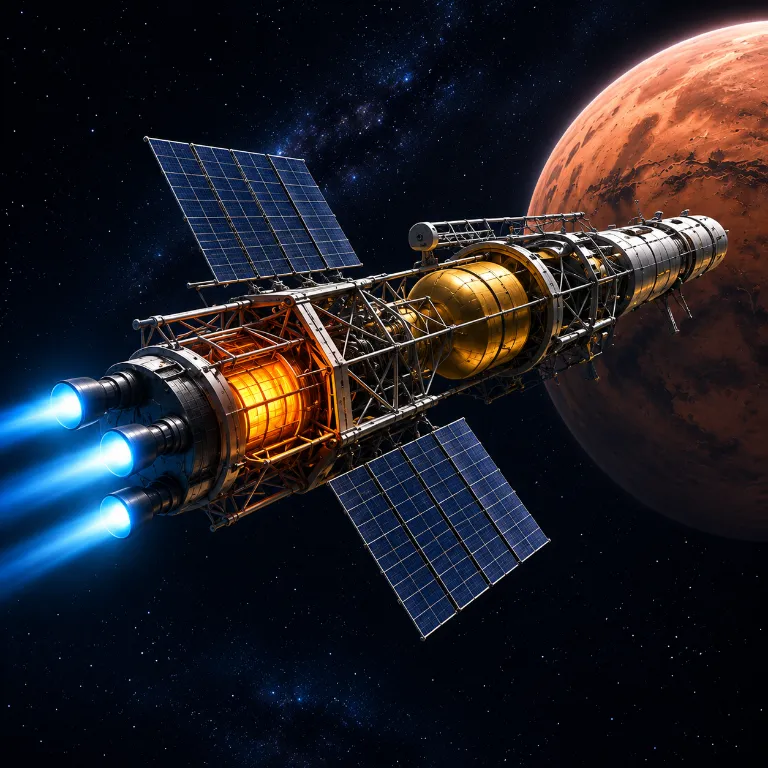
Explores a conceptual interplanetary vehicle that uses nuclear heat to generate steam for propulsion, including its design and potential use of off-Earth water resources.
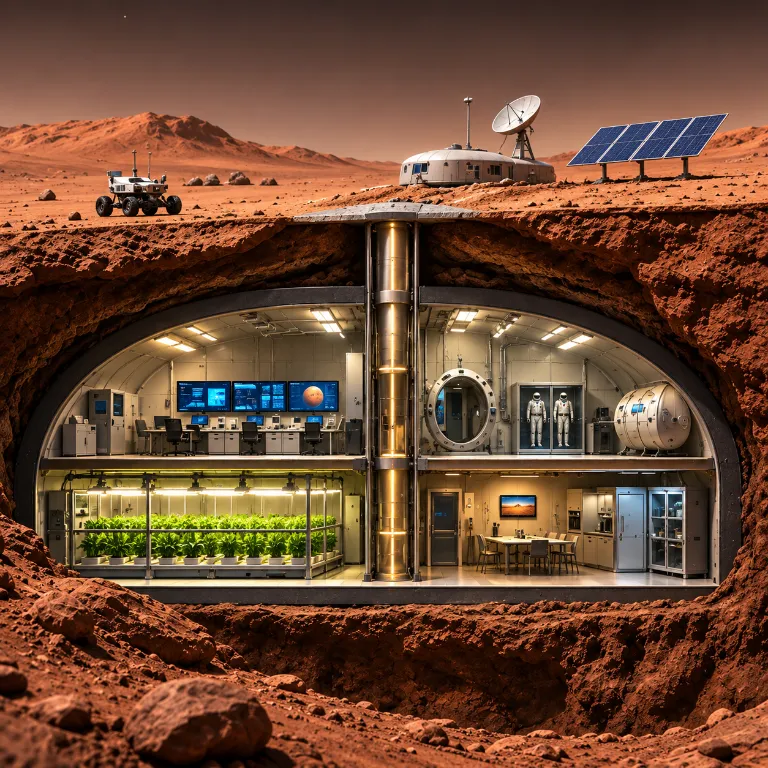
Describes an underground Mars habitat concept designed to protect residents from surface hazards and support sustained human settlement.
We invite universities, research institutions, industry partners, researchers and innovators to work with us.
Please check back later for updates.
Universities, institutions, companies, researchers and innovators: tell us the research theme and we will take it from there.